What Happens If You Wait Too Long to Seal Your Pavers?
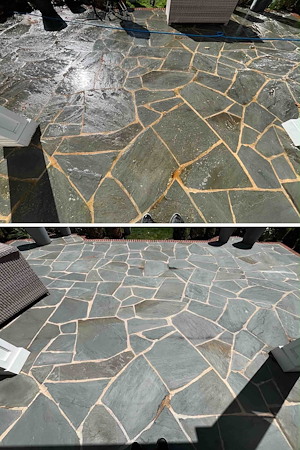
Your patio and driveway work hard every day. Sun, rain, snow, and vehicle traffic take a toll, and unsealed surfaces show wear fast. When homeowners in Freehold, NJ wait too long to seal pavers, they often face fading colors, stubborn stains, and shifting that turns smooth paths into tripping hazards. This post explains what really happens over time and why timely sealing keeps your hardscapes looking great and performing safely.
If you want a full overview of how sealing protects your home, check out our paver sealing page for process details, finish options, and what to expect from a professional visit.
The Hidden Costs Of Waiting To Seal Your Pavers
Delaying sealing seems harmless at first, but small problems stack up. Color pigments in concrete and clay pavers break down under UV light, so bright reds and warm browns turn pale. Oils from cars and grills soak into the surface. Leaves, mulch, and irrigation leave mineral and tannin marks that are tougher to remove over time. As pores clog with grime, routine cleanings stop working as well, and stains set in for good.
Joint sand is another quiet trouble spot. Without a protective sealer, wind, foot traffic, and heavy rain carry sand away grain by grain. Open joints invite weeds, ants, and water. Water flows down into the base, loosening bedding material and creating tiny voids. Each season, those voids grow until you see pavers rock, settle, or tip at the edges.
What Freehold, NJ Weather Does To Unsealed Pavers
Monmouth County weather swings add stress. In late fall and winter, freeze and thaw cycles expand moisture trapped in the paver’s surface and joints. That movement leads to hairline cracks, flaking, and wobbly edges. Spring rains wash more joint sand away, and summer sun bakes in tire tracks and rust marks. If you use deicing products in the winter, salts can accelerate surface wear and color loss on unsealed pavers.
Local trees and landscaping also play a role. Oaks and maples drop tannin-rich leaves, and evergreens shed needles that stain when they sit wet for a few days. Unsealed surfaces soak up those pigments like a sponge. Over time, the patio you loved turns blotchy and dull, even if you rinse it often.
Signs You’ve Waited Too Long
You do not need a lab test to know your pavers are overdue. Walk the surface and look for these red flags:
- Color looks flat, washed out, or patchy compared with protected areas near steps or under furniture.
- Sand joints sit low or have small gaps where weeds or ants appear.
- Water no longer beads on the surface and soaks in within seconds.
- Rust, leaf, or oil stains do not lift after a normal professional wash.
- Edges feel loose, or a few pavers rock when you step on them.
If you see two or more of these, sealing has moved from a “someday” task to a “do it soon” priority. Addressing it now helps prevent bigger fixes later, like resetting borders or adding new base material.
How Professional Sealing Protects Your Patio And Driveway
Great results start with surface prep. A trained pressure washing and soft washing team removes embedded buildup so the sealant bonds well. Then the installer checks the joints and adds polymeric sand where needed. Once the area is dry and ready, a quality paver sealant is applied to lock out water, block stains, and bring out the original color.
- Color enhancement: Sealing restores depth and richness so patterns and blends pop again.
- Stain resistance: Oil, grease, leaf tannins, and irrigation marks are easier to clean.
- Joint stability: Properly set polymeric sand resists washout and deters weeds and ants.
- Moisture control: Reduced water absorption helps prevent freeze-thaw damage.
Finish choices vary from natural matte to a subtle satin sheen. The right option depends on your paver type, location, and the look you like. A reputable technician will explain what to expect on your driveway versus a shaded backyard patio and recommend the best fit for each space.
Why Waiting Makes Repairs More Likely
Once settlement or edge movement begins, it rarely stops on its own. Open joints are like loose buttons on a coat. One tugs the next. As water and grit move below the surface, neighboring pavers lose support too. Soon a smooth driveway develops shallow dips and wandering borders. Sealing cannot reset a failed base, but it prevents small concerns from turning into those larger, hands-on repairs.
Think of sealing like sunscreen for hardscapes. It will not reverse every old mark, but it protects against the heavy hitters that age pavers fast. Sealing on time is the single best way to slow fading and block deep stains before they take hold.
How Often Should Pavers Be Sealed In Freehold, NJ?
Timing depends on sun exposure, traffic, and the type of sealer used. Many Freehold homeowners find a typical schedule is every two to three years for patios and every one to three years for high-traffic driveways. Shady walkways or light-use areas may go longer between coats. If water stops beading, color looks flat, or joints look low, those are practical signs it is time again. Your technician can help set a plan that fits your property.
For a deeper look at the steps and options, read more on professional paver sealing so you can choose finishes and maintenance intervals with confidence.
Common Myths About Paver Sealing
“Sealer makes pavers slippery.” With the right product and application, traction stays strong. Texture remains, and additives can improve grip in key areas like pool decks or sloped entries.
“Sealing is only for looks.” Color is a bonus, but protection is the main event. Unsealed joints invite weeds and ants, and unsealed surfaces absorb water that can lead to winter damage.
“Once sealed, you never have to clean again.” Routine care still matters. Blowing leaves, rinsing debris, and quick attention to spills keep your sealed patio or driveway looking great between maintenance visits.
Local Factors That Speed Up Wear
Every town has its quirks. In Freehold and nearby neighborhoods, long sunny stretches fade south-facing driveways faster than shaded patios. School-year carpool lines and frequent deliveries add turning scuffs at the apron. Winter road sand and salt grind into the surface and dull color. After storms, low spots along the curb can hold water that seeps into open joints. Sealing helps resist all of these, so the small stresses of daily life do not become permanent marks.
Another factor is irrigation overspray. Sprinklers that mist over the edge of walkways leave mineral rings and promote algae in shady strips. A quality seal helps water sheet off the surface and makes those film-like stains easier to remove during routine maintenance.
When Is The Best Time To Seal After Installation Or Cleaning?
Freshly installed pavers need time to settle and dry before sealing. After a professional cleaning or re-sanding service, drying time matters too, especially in humid New Jersey summers. Your technician will schedule the work during a cooperative weather window so the surface is fully dry and the sealer cures properly. Rushing the cure can trap moisture and lead to a cloudy look, so planning the calendar is part of getting a great result.
Why Choose Above & Beyond Softwash For Paver Protection
Above & Beyond Softwash pairs experienced pressure washing with careful surface prep and proven sealers. We focus on matching the product to your paver type and exposure, then apply it in the right conditions for a strong, even cure. Our team explains what to expect step by step and helps you set a maintenance schedule that fits how you use each space.
Have questions about your driveway, walkway, or pool deck? Call us at 732-272-6013, and we will talk through the best plan for your property in Freehold, NJ.
What To Do If Your Pavers Already Look Worn
If color has faded or joints are low, the first step is a professional assessment. Many surfaces can be revived with a quality cleaning, joint restoration, and sealing system. Severe settlement or broken borders may need repair first, but addressing protection now prevents the same issues from returning. Seal before winter in Freehold to help reduce freeze-thaw damage and keep sand joints stable through storms.
For a simple overview of services, start here to learn more about paver sealing in Freehold, NJ, and how it protects patios and driveways throughout the year.
The Bottom Line For Homeowners
Sealing is not just about shine. It is about durability. Waiting too long lets UV, water, and traffic wear down your hardscapes until cleaning alone cannot save the look. Once joints wash out and edges loosen, you face bigger fixes. On-time sealing keeps the color you chose, makes cleaning easier, and helps your patio and driveway feel solid underfoot.
Ready for professional paver sealing in Freehold, NJ? Call Above & Beyond Softwash today.
When you want the work done right, trust a local team that understands our weather, soils, and neighborhood needs. Start planning your project by visiting our page on paver sealing to see how we prepare, seal, and maintain pavers for long-lasting results.
Improve Your Curb Appeal!
Schedule a Consultation Today With Your Local Central New Jersey Pressure Washing Company Today!